Showing posts with label Pages. Show all posts

Friday, December 30, 2016

Clifford Coloring Pages Coloring Pages To Print

white dog cartoon character with red collar - The home dog (Canis lupus familiaris or Canis familiaris) is an associate of genus Canis (canines) that forms part of the wolf-like canids, and is the most greatly numerous carnivore.white dog cartoon character with red collar Your dog and the extant gray wolf are sister taxa, with modern wolves not related to the wolves which were first domesticated carefully. The dog was the first domesticated species and has been selectively bred over millennia for various behaviors, sensory capabilities, and physical attributes.
Clifford Coloring Pages  Coloring Pages To Print
Their long relationship with humans has led dogs to be distinctively attuned to individuals behavior and they're able to thrive over a starch-rich diet that might be limited for other canid species. Dogs vary widely in shape, size and colours. Dogs perform many roles for folks, such as hunting, herding, pulling loads, protection, assisting police and military, companionship and, more recently, aiding handicapped individuals. This influence on human population has given them the sobriquet "man's best ally".

The word "domestic dog" is generally used for both domesticated and feral kinds. The English phrase dog comes from Middle British dogge, from Old British docga, a "powerful dog". The term may possibly derive from Proto-Germanic *dukk?n, represented in Old English finger-docce ("finger-muscle"). The term also shows the familiar petname diminutive -ga seen in frogga "frog" also, picga "pig", stagga "stag", wicga "beetle, worm", among others. The term dog may in the end derive from the earliest layer of Proto-Indo-European vocabulary.In 14th-century England, hound (from Old British: hund) was the general word for many domestic canines, and dog described a subtype of hound, a blended group including the mastiff. It really is believed this "dog" type was so common, it eventually became the prototype of the category "hound". By the 16th hundred years, dog had become the general phrase, and hound acquired begun to refer and then types used for hunting.[ The term "hound" is eventually derived from the Proto-Indo-European expression *kwon-, "dog". This semantic transfer may be compared to in German, where the equivalent words Dogge and Hund held their original meanings.A male canine is known as your dog, while a lady is named a bitch. The daddy of any litter is named the sire, and the mother is named the dam. (Middle British bicche, from Old British bicce, in the end from Old Norse bikkja) The procedure of beginning is whelping, from the Old English word hwelp; the modern English phrase "whelp" can be an different term for doggie. A litter identifies the multiple offspring at one birth that happen to be called puppies or pups from the French poup?e, "doll", which includes substituted the aged term "whelp" typically.Your dog is categorised as Canis lupus familiaris under the Biological Varieties Idea and Canis familiaris under the Evolutionary Varieties Concept.In 1758, the taxonomist Linnaeus printed in Systema Naturae a categorization of types which included the Canis species. Canis is a Latin phrase meaning dog, and the list included the dog-like carnivores: the local dog, wolves, jackals and foxes. The dog was classified as Canis familiaris, which means "Dog-family" or the family dog. On another site the wolf was saved by him as Canis lupus, this means "Dog-wolf". In 1978, an assessment aimed at reducing the number of recognized Canis varieties proposed that "Canis dingo is now generally seen as a distinctive feral domestic dog. Canis familiaris can be used for domestic dogs, although taxonomically it will oftimes be associated with Canis lupus." In 1982, the first edition of Mammal Species of the earth listed Canis familiaris under Canis lupus with the comment: "Probably ancestor of and conspecific with the domestic dog, familiaris. Canis familiaris has site priority over Canis lupus, but both were shared simultaneously in Linnaeus (1758), and Canis lupus has been universally used because of this species", which averted classifying the wolf as the grouped family dog. The dog is currently listed among the many other Latin-named subspecies of Canis lupus as Canis lupus familiaris.In 2003, the ICZN ruled in its Impression 2027 that if wild animals and their domesticated derivatives are regarded as one species, then your scientific name of that types is the technological name of the crazy pet. In 2005, the third edition of Mammal Species of the World upheld View 2027 with the name Lupus and the be aware: "Includes the home dog as a subspecies, with the dingo provisionally split - man-made variations created by domestication and selective breeding". However, Canis familiaris may also be used due to a continuing nomenclature debate because wild and domestic animals are separately recognizable entities and that the ICZN allowed users an option as to which name they could use, and a number of identified research workers would prefer to use Canis familiaris internationally.

Related Images with Clifford Coloring Pages Coloring Pages To Print

and white cartoon or illustration of a small dog wearing a red collar

 and white cartoon or illustration of a small dog wearing a red collar

Cartoon Dog Collar Retro cartoon spiky dog collar

Cartoon Dog Collar Retro cartoon spiky dog collar

Dog puppy pet character cartoon style illustration white. Image

 Dog puppy pet character cartoon style illustration white. Image

Use these free images for your websites, art projects, reports, and

Use these free images for your websites, art projects, reports, and

Thursday, March 31, 2016

CliffordPrintablesPuppy Coloring Pages PBS Kids

white dog cartoon character with red collar - The local dog (Canis lupus familiaris or Canis familiaris) is a member of genus Canis (canines) that sorts part of the wolf-like canids, and it is the most broadly considerable carnivore.white dog cartoon character with red collar The dog and the extant gray wolf are sister taxa, with modern wolves not closely related to the wolves that were first domesticated. The dog was the first domesticated species and has been selectively bred over millennia for various behaviors, sensory capabilities, and physical attributes.
CliffordPrintablesPuppy Coloring Pages  PBS Kids
Their long association with humans has led pups to be exclusively attuned to human being behavior and they are able to thrive on a starch-rich diet that would be insufficient for other canid kinds. Dogs vary widely in shape, colours and size. Dogs perform many roles for folks, such as hunting, herding, pulling loads, protection, assisting police and military, companionship and, recently, aiding handicapped individuals. This effect on human contemporary society has given them the sobriquet "man's best friend".

The term "domestic dog" is normally used for both domesticated and feral types. The English phrase dog originates from Middle British dogge, from Old British docga, a "powerful dog breed". The term may possibly are based on Proto-Germanic *dukk?n, represented in Old English finger-docce ("finger-muscle"). The word also shows the familiar petname diminutive -ga seen in frogga "frog" also, picga "pig", stagga "stag", wicga "beetle, worm", among others. The term dog may derive from the earliest layer of Proto-Indo-European vocabulary ultimately.In 14th-century Great britain, hound (from Old English: hund) was the general word for all domestic canines, and dog described a subtype of hound, a blended group like the mastiff. It is believed this "dog" type was so common, it eventually became the prototype of the category "hound". Because of the 16th century, dog had end up being the general word, and hound had begun to send only to types used for hunting.[ The word "hound" is ultimately derived from the Proto-Indo-European term *kwon-, "dog". This semantic shift may be in comparison to in German, where the related words Dogge and Hund kept their original meanings.A male canine is referred to as a puppy, while a female is called a bitch. The paternalfather of the litter is called the sire, and the mom is called the dam. (Middle English bicche, from Old English bicce, ultimately from Old Norse bikkja) The procedure of labor and birth is whelping, from the Old English word hwelp; the modern English term "whelp" is an alternative term for puppy dog. A litter refers to the multiple offspring at one delivery that are called young puppies or pups from the French poup?e, "doll", which includes typically substituted the more mature term "whelp".The dog is classified as Canis lupus familiaris under the Biological Species Idea and Canis familiaris under the Evolutionary Types Concept.In 1758, the taxonomist Linnaeus published in Systema Naturae a categorization of varieties which included the Canis kinds. Canis is a Latin expression meaning dog, and the list included the dog-like carnivores: the local dog, wolves, foxes and jackals. The dog was classified as Canis familiaris, which means "Dog-family" or the family dog. On another page the wolf was recorded by him as Canis lupus, this means "Dog-wolf". In 1978, a review aimed at minimizing the number of recognized Canis species proposed that "Canis dingo is currently generally regarded as a distinctive feral home dog. Canis familiaris is used for domestic puppies, although taxonomically it will probably be synonymous with Canis lupus." In 1982, the first edition of Mammal Species of the planet listed Canis familiaris under Canis lupus with the comment: "Probably ancestor of and conspecific with the domestic dog, familiaris. Canis familiaris has page priority over Canis lupus, but both were released together in Linnaeus (1758), and Canis lupus has been universally used because of this species", which avoided classifying the wolf as the grouped family dog. The dog is now listed among the many other Latin-named subspecies of Canis lupus as Canis lupus familiaris.In 2003, the ICZN ruled in its Judgment 2027 that if wildlife and their domesticated derivatives are regarded as one species, then the scientific name of that varieties is the technological name of the outrageous creature. In 2005, the third model of Mammal Types of the entire world upheld Impression 2027 with the name Lupus and the take note of: "Includes the local dog as a subspecies, with the dingo provisionally split - man-made variations created by domestication and selective breeding". However, Canis familiaris is sometimes used due to an ongoing nomenclature debate because wild and domestic animals are separately recognizable entities and that the ICZN allowed users a selection concerning which name they might use, and lots of internationally recognized researchers would prefer to use Canis familiaris.

Related Images with CliffordPrintablesPuppy Coloring Pages PBS Kids

com albums dd338 kenshin420 anime 20girls101 dog girl jpg dog form url

 com albums dd338 kenshin420 anime 20girls101 dog girl jpg dog form url

Cartoon Dog Takes A Bath In The Bathtub Vector Art Getty Images

Cartoon Dog Takes A Bath In The Bathtub Vector Art  Getty Images

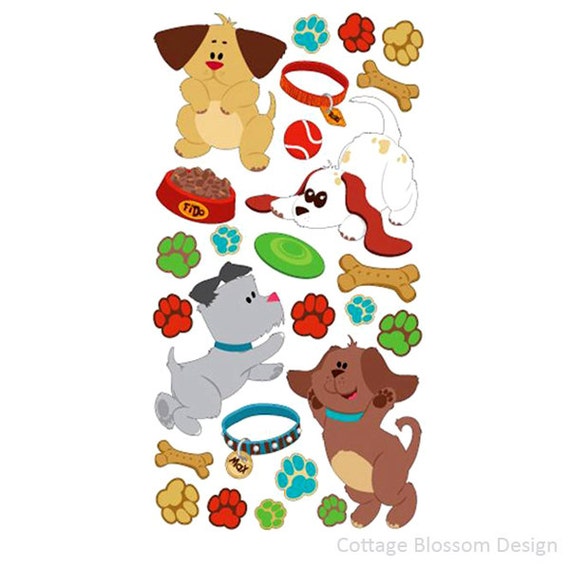
Dog Toys, Dog Bones, Dog Collar, Planner Sticker, Scrapbook Supply

 Dog Toys, Dog Bones, Dog Collar, Planner Sticker, Scrapbook Supply

Begonvilli Ev: Ten Ten39;in Maceraları Beyaz Perdede

Begonvilli Ev: Ten Ten39;in Maceraları Beyaz Perdede